The Studio
Sensa Studio: The Software Behind Hybrid AI Video Production
Hybrid AI video only works when someone is in control. Sensa Studio is the enterprise-grade production software built to give brands and agencies that control, frame by frame, element by element.
- Hybrid AI video requires real-world assets — locations, characters, products, props — to be incorporated faithfully into AI-generated footage, and that requires purpose-built software to control it.
- Sensa Studio is the proprietary production platform Sensa built to direct hybrid AI film at enterprise quality, with granular, isolated control over every element in a scene.
- The combination of custom system prompts, a reference frame pipeline and dedicated Props, Product, Character and Location functionality is what separates a directed AI film from a generated one.
The conversation about AI video has spent two years circling the same question: can it be trusted? Not trusted in the abstract, but trusted with a real brand, a specific product, a location that actually exists, a character that has to look and move a particular way. The answer depends entirely on whether anyone is actually in control. At Sensa Productions, that control lives in a piece of software the studio built for itself, Sensa Studio, and it is the reason hybrid AI production works the way it does.
What hybrid AI production actually means
The term hybrid AI is used loosely. At Sensa, it has a specific definition: any production that brings real-world assets into an AI video workflow to keep the output accurate and brand-true. A generated city that is based on photographs of an actual location. A character who moves like a specific actor, captured in studio. A product rendered in motion by an AI that has been taught how that product mechanically works. These are not embellishments. They are the conditions under which AI video stops being a novelty and starts being a production tool.
The gap between AI video that looks impressive in a demo and AI video that can actually represent a brand at commercial standard is almost always a craft and control gap. The image models are capable. What has been missing is the infrastructure to direct them with the same intentionality a live shoot demands. That is what Sensa Studio was built to close.
The reference frame pipeline: where real meets generated
Every hybrid production at Sensa begins with the same question: what does the real world look like, and how do we carry it into the film? The answer runs through a reference frame pipeline built into Sensa Studio and drawing on image generation APIs including Google Gemini and OpenAI's latest image model.
Start frames, end frames and reference frames function as anchors. A start frame establishes the precise visual state of a scene before motion begins. An end frame locks where it must arrive. Reference frames hold the consistent look of a character, a location or a product across every shot that features it. These are not loose style guides fed into a prompt. They are generated frames with specific visual parameters, created through the image API pipeline and stored within the project so every scene is built against the same ground truth.
The practical result is continuity at a standard that generative video alone cannot sustain. The same face reads the same in shot one and shot forty. The same room holds its light and geometry across a sequence. The product looks identical in the close-up and the wide.
Four control layers: Props, Product, Character, Location
Sensa Studio organises its hybrid asset control into four dedicated functional areas, each designed to solve a different accuracy problem that generative AI alone cannot handle.
Props functionality allows physical objects, signage, real-world elements and set dressing to be imported into a production and held consistent across scenes. Road safety videos are a practical example: the correct road sign, rendered accurately, positioned correctly in frame, every time. Props are not decorative. They are legal and functional elements that have to be right.
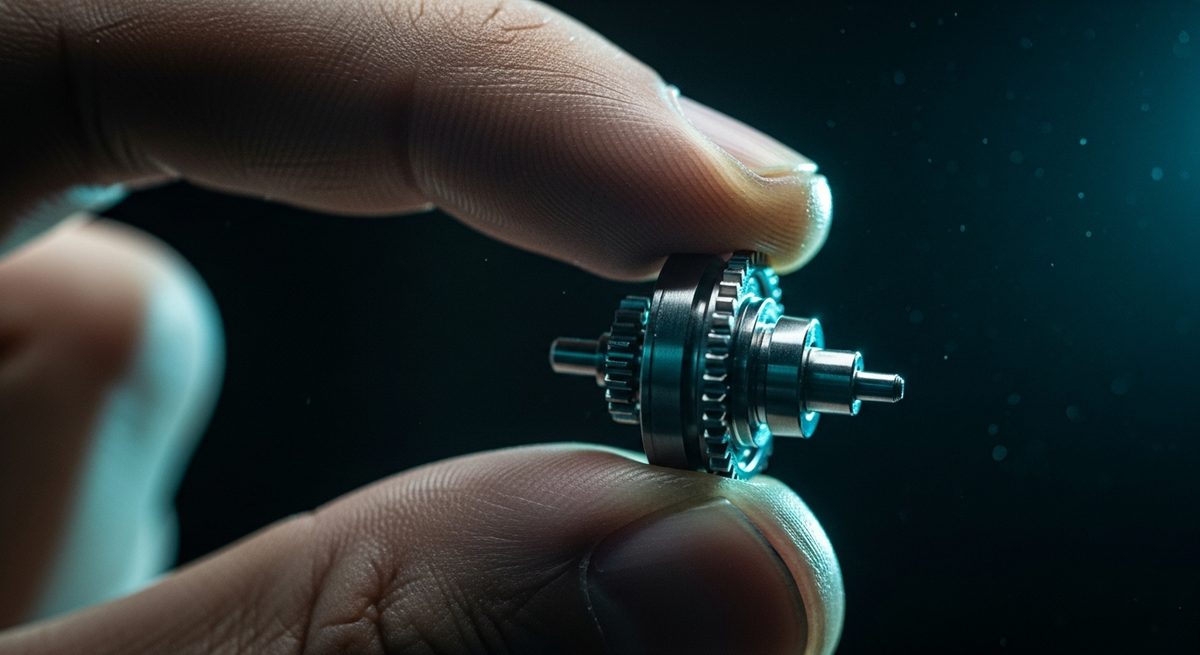
Product functionality goes a level further. This is one of Sensa Studio's most proprietary capabilities: the ability to teach the AI how a product mechanically functions or operates, so that when it appears in motion, opening, deploying, interacting with a user, it does so correctly. Not approximately. Correctly. For brands where product integrity is the message, this is the difference between a film they can show and one they cannot.
Character functionality handles the relationship between a real performance and the character that appears on screen. An actor is captured in studio. Their movement, their timing, their physical presence is recorded. That performance is then augmented onto a completely different-looking character in the final film. The performance is real. The character is the film's. Both are true simultaneously.
Location functionality begins with a camera and a physical place. The real location is photographed or documented, then brought to life through AI, extending it, transforming it or completing it, while remaining true to the actual geography and spatial logic of that place. The audience sees a world. The production team knows every wall.
See how Sensa brings hybrid AI and human craft together on every production. Check out our AI work →
Granular control: changing one thing without breaking everything else
Clients who have worked through traditional post-production know the cost of a late change. Adjust one element and the ripple can touch grade, audio, timing and continuity across a sequence. The standard answer has always been to lock decisions early and hold them. Sensa Studio changes that calculation.
The true differentiator for client responsiveness is granular, isolated control: the ability to change a very specific element within a scene without affecting anything else. A voiceover line that needs redelivering to match the brand's preferred pronunciation. A product colour that changed after the shoot wrapped. A character whose costume needs to shift for a regional market. In Sensa Studio, these are edits to discrete parameters within the production layer, not reasons to reshoot.
This is what makes the software enterprise-grade rather than experimental. The changes a brand needs to make at the final stage of approval are not catastrophic in a directed AI workflow. They are isolated, controlled and executable without starting over.
Custom system prompts and the language of direction
Behind every Sensa production is a layer of custom-tailored system prompts written for that specific project. Not generic style descriptions. Prompts that encode the brand's visual language, its tonal register, the specific look of its world, the rules that govern every frame.
This is where the director's work happens before the generation does. A system prompt is not a request. It is a set of standing instructions that shapes everything the model produces across the entire project. When it is built correctly, the generation follows the vision rather than averaging toward the mean. When it is wrong, or absent, no amount of post-processing recovers the ground.
At Sensa, these prompts are authored by the production team and refined across the reference frame pipeline. They are project assets, held in the studio and iterated as the production evolves. Combined with the four control layers and the reference frame anchors, they form the complete control architecture that makes a hybrid AI film directed rather than generated.
Why the software had to be built from scratch
No off-the-shelf production tool was designed for this workflow. The existing tools for AI video generation are built for exploration, for rapid output, for creative volume. They are not built for the kind of exacting brand control a commercial production demands. Sensa Productions is a global AI video production house, an award-winning studio that creates bespoke, brand-accurate films with hybrid AI and human craft, directed frame by frame. That mission required software the studio could not buy.
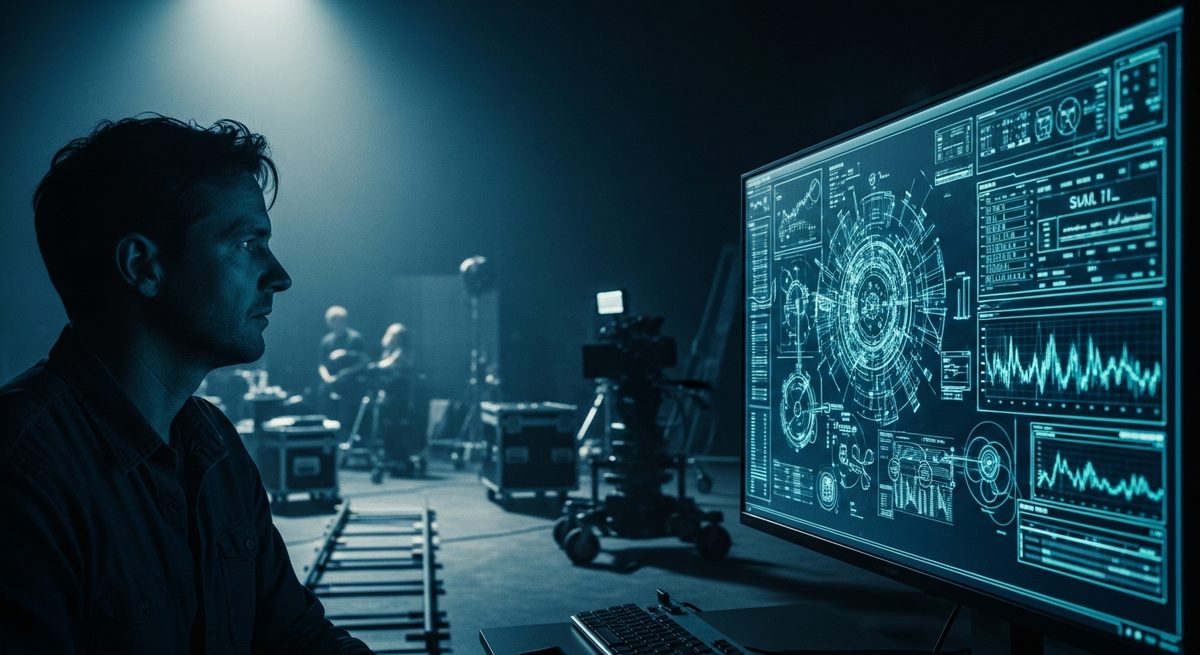
Sensa Studio is the result: a production platform designed around the director's needs, not the model's defaults. It treats AI generation the way a DOP treats a camera, as a tool that produces exactly what the operator intends, because the operator has set every parameter with intent. The voiceover is adjusted line by line. The location is grounded in a real place. The product is understood mechanically before it appears on screen. The character's performance is captured in the room before it is transformed in the frame.
This is not a self-serve workflow. It is a production house with proprietary infrastructure, and the infrastructure exists to serve one purpose: giving brands the control over AI video that their work deserves.
The four control layers of Sensa Studio: reference frames, asset modules, system prompts and granular isolated editing, working together to make hybrid AI production brand-accurate at commercial scale.
The gap between AI video that looks impressive in a demo and AI video that can represent a brand at commercial standard is almost always a craft and control gap.
Sensa Productions builds bespoke hybrid AI films for brands and agencies who need more than a generated output. If you are commissioning video that has to be accurate, brand-true and production-grade, start a conversation.